
Watering and common problems
Heavy rain: what to check in your plants before and afterwards
Alexandre Abril Alos · · 3 min read

In this guide
Prepare in advance, only when safe
Rain can water plants, but water trapped beneath pots may cause problems. This is a preventive guide: make checks before the weather arrives or afterwards when safe. During a storm, do not go outside to move pots or clear drains. Follow AEMET warnings and local emergency instructions.
Rain is not the same as waterlogging
Damage depends on species, container and how long water takes to leave. Saturation limits air around roots. “Everything indoors” and “everything outdoors” are not universal solutions: review the water's route.
Five checks before rain
- Saucers: remove those that could leave conventional outdoor pots submerged, if safe and suitable for the surface. Self-watering systems need their own instructions.
- Outer pots: a decorative container without an outlet can hide water even when the inner pot has holes.
- Outlets: check accessible holes and loose leaves near drains. Stable pot feet may keep drainage free. Do not improvise unstable supports or lift heavy pots alone.
- Small or vulnerable plants: before forecast wind, place small pots and seedlings in a stable sheltered position, away from exposed ledges. Check supports without tightening stems.
- Scheduled watering: adjust to actual moisture. Pots under eaves may receive much less rain than exposed ones.
It can rain while a pot stays dry
Leaves may divert water and brief rain may wet only the surface. Once safe, check moisture below the surface rather than deciding from rainfall in your neighbourhood alone.
Afterwards: observe before acting
Check which pots drained and which retain water. Do not water again while the medium remains suitably moist. A drooping plant is not automatically thirsty; review moisture, drainage and changes before adding water or feed. If a problem persists, take photos of the whole plant, leaves and container.
Avoid unnecessary walking or working on saturated garden soil. Seek help for broken branches or work you cannot do safely.
Repeated puddles need a wider review
Consider container placement, growing medium, slopes and drainage. Keep drains clear of pots, furniture and artificial grass. Construction drainage or waterproofing problems require technical assessment.
Common questions
All plants inside? No; consider species, wind, exposure and drainage, without exposing yourself during bad weather.
Stones at the bottom? Do not assume they solve drainage. First check outlet holes, suitable growing medium and retained water in outer pots.
How many days before watering? There is no fixed number. Check actual moisture and the plant's needs.
These steps support ordinary care, not flood protection. Safety comes first. For plant placement and care questions, see our online gardening advice or describe your space.
Related products and sources
General guidance. Needs vary with the plant, location and individual condition.
Keep exploring
Back to all guides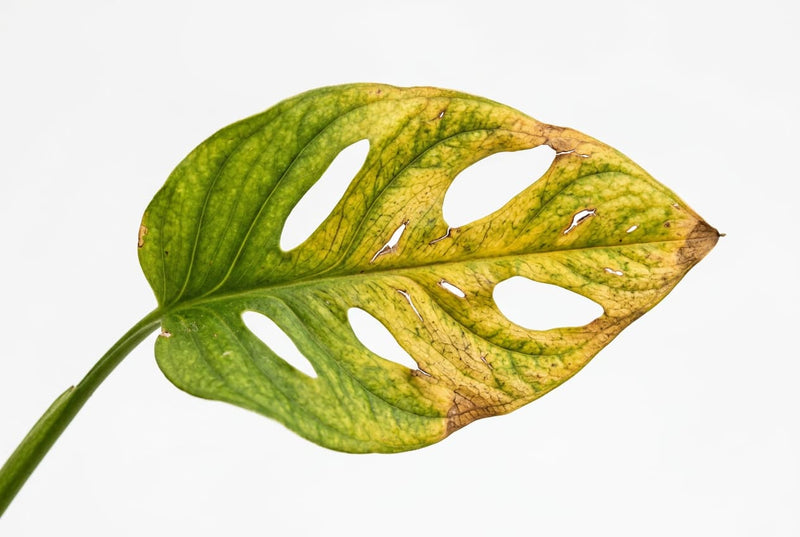
Watering and common problems
Yellow leaves: what to check before taking action
Yellowing has different possible causes. Identify the plant and review moisture and recent changes before adding water, fertiliser or a treatment.
2 min readRead guide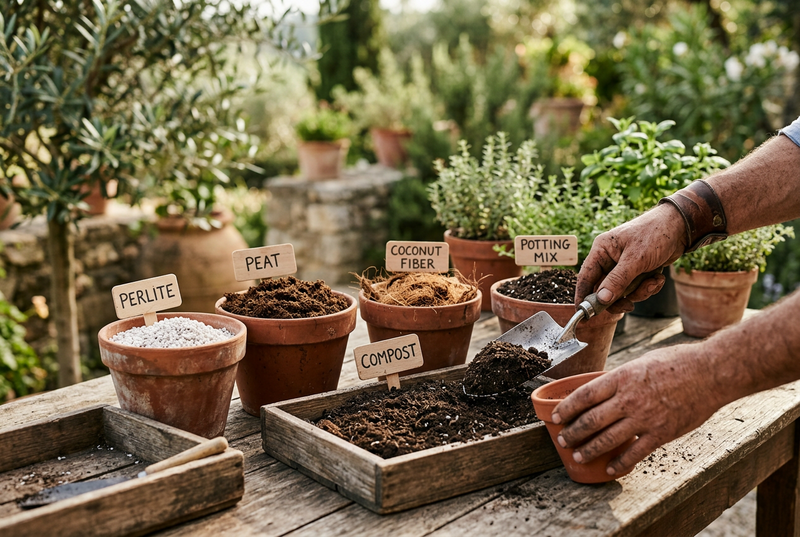
Watering and common problems
Potting mixes and fertilisers: caring for roots with COMPO
Potting mixes and fertilisers have different jobs. Before changing a mix or adding feed, review the species, root condition and product instructions. More water...
2 min readRead guide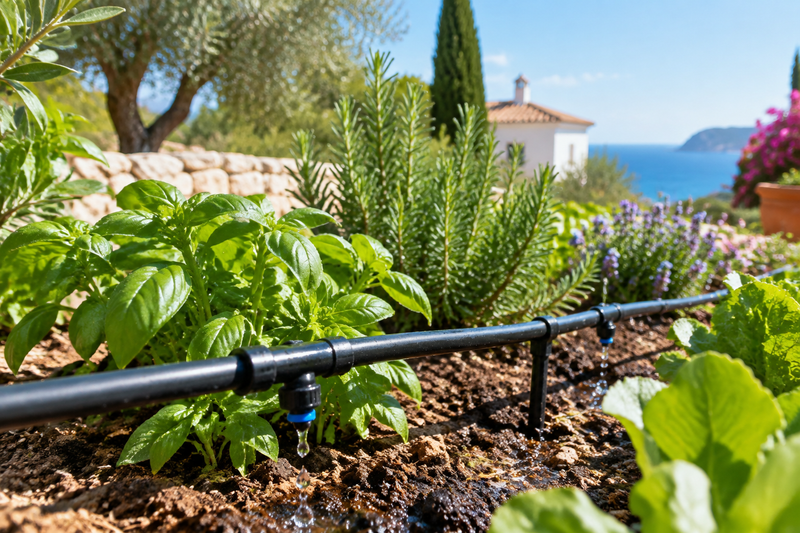
Watering and common problems
Drip irrigation for Mediterranean gardens: how to adjust it
Drip irrigation targets specific points and automates part of care. Choose components, check water distribution and adjust programming. A timer does not remove the...
2 min readRead guide