
Plants and care
Monstera deliciosa: care, light, watering and yellow leaves
Vivero de Abril · · 3 min read

In this guide
A monstera can provide plenty of greenery with a simple routine: abundant indirect light, watering based on the substrate, and space to grow. It doesn't need a jungle of accessories; you do need to understand what is happening inside its pot.
The essentials before you start
- Light: Abundant and indirect. Avoid strong direct sun without acclimatization.
- Water: Let the top of the substrate dry before watering again.
- Environment: Warm indoors, away from cold drafts and close to heating.
- Safety: If chewed, it can be toxic to people and pets; its sap can irritate.
Frequently asked questions about monstera
Where should I put a monstera at home?
Look for good indirect light and space for it to grow, avoiding strong direct sun on leaves that are not adapted. Keep the plant away from radiators and cold drafts. A corner looks beautiful only if it also allows it to thrive.
When should it be watered?
Check that the top of the substrate is dry, rather than watering on a fixed day. If it is still damp, wait. When it needs water, water until it drains and empty the saucer. Demand usually decreases with less light and growth.
Why are the leaves coming out without holes?
The leaves of a young plant can be solid. Openings appear with maturity and growing conditions; not having them does not demonstrate a deficiency in itself. Check the light and observe the development of new leaves without forcing continuous changes.
What does a yellow leaf mean?
It can be due to aging, watering, roots, light, or other factors. See how many leaves are changing, where they are, and what has happened recently. Before fertilizing or cutting, check the substrate and drainage. A single leaf does not tell the whole story.
Is it safe for pets and children?
It should be kept out of reach of anyone who might bite it. Chewing it can be toxic and the sap can irritate; use gloves when cutting or handling it. If you live with animals that bite plants, consider another species for that area.
The first few days: observe before changing everything
Take a photo when it arrives and choose a location suitable for the light it needs. Check the substrate before watering. During adaptation, note changes in leaves and moisture: it will help you distinguish a one-off development from an ongoing problem.
Avoid introducing a new pot, fertilizer, and major pruning all at once. If you change several things together, it will be harder to understand what is working for it. The manual includes a sheet to record checks and organize care when you are away.
Your practical manual to download
Save the monstera guide: first few days, indicative calendar, signs to check, and a printable tracking sheet. Free download, no registration required.
Download the monstera manual in PDF (3 pages)
The next step, tailored to you
Consult Monstera deliciosa to learn about the product. If you need to review your case, you can book the gardening advice. To plan the whole of your space, consult the garden or terrace design.
Other guides that can help you
Sources of consultation: RHS · growing monstera, NC State Extension · Monstera deliciosa, UC IPM · houseplant problems. Recommendations adaptable to the specimen and its environment.
General guidance. Needs vary with the plant, location and individual condition.
Keep exploring
Back to all guides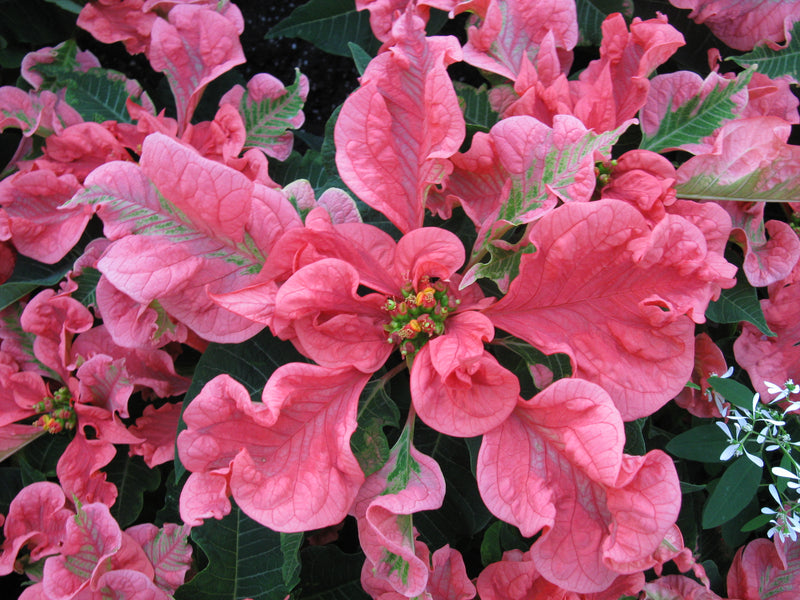
Plants and care
Flor de Pascua: cómo elegirla y cuidarla para Navidad
La flor de Pascua suele entrar en casa entre noviembre y diciembre. La eliges por el color, la colocas donde queda bonita y, a...
5 min readRead guide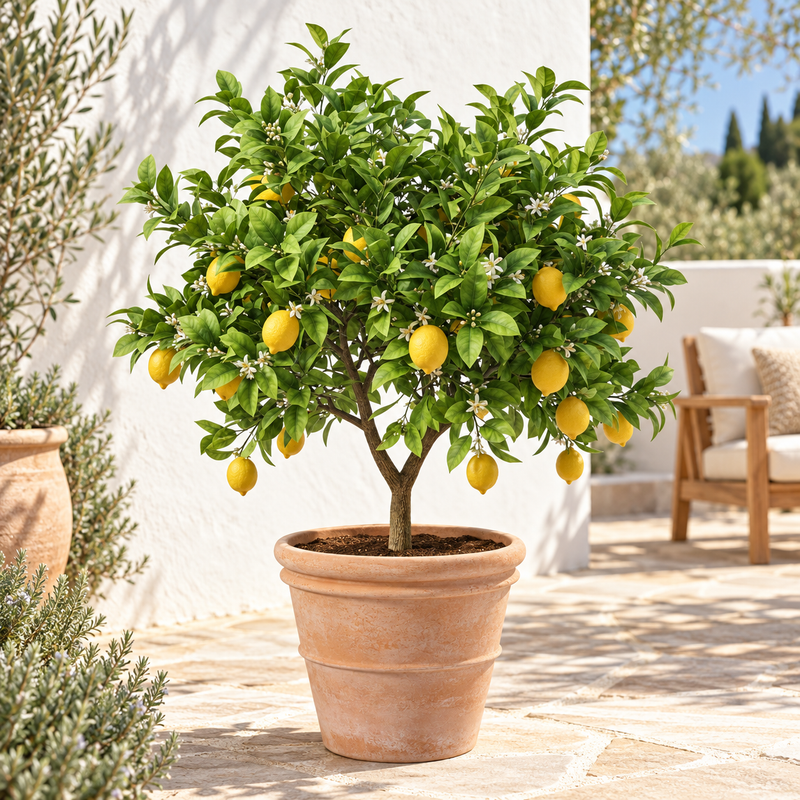
Plants and care
Cómo proteger las plantas del frío: cuáles resguardar y cuándo
En noviembre aparece una duda muy concreta: ¿qué plantas pueden seguir fuera y cuáles necesitan resguardo? La respuesta depende de la especie, la exposición...
5 min readRead guide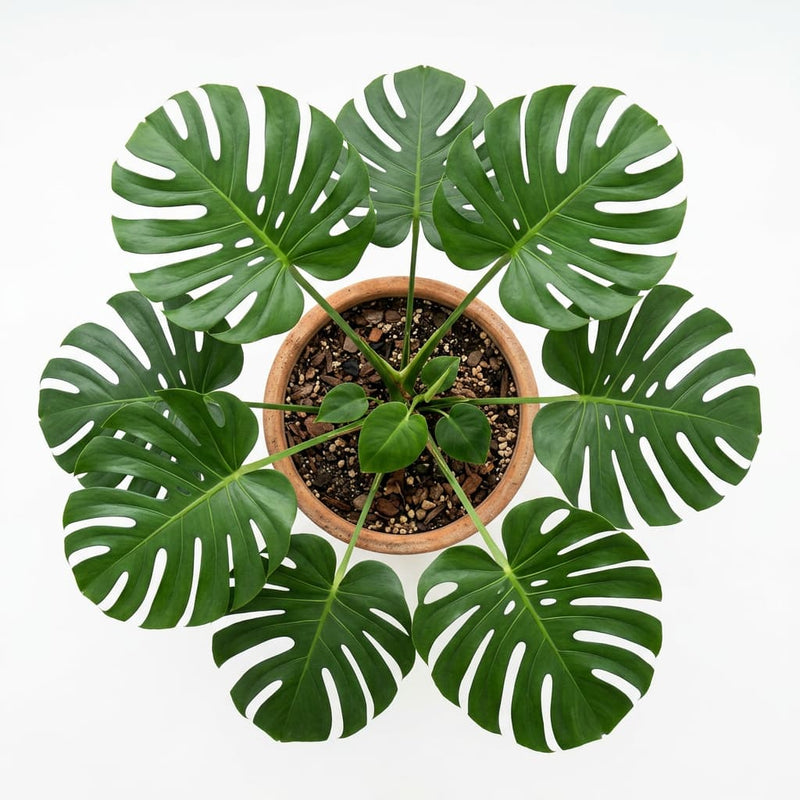
Plants and care
Mosquitas en la tierra de las plantas: qué son y cómo eliminarlas
Mueves una maceta para regar y salen unas mosquitas oscuras. Al día siguiente vuelves a verlas cerca de la ventana. Antes de rociar toda...
5 min readRead guide